Ecological burials: what they are and how to organise them
The growing concern for the environment has led many people to rethink fundamental aspects of everyday life, including those related to its end.
Ecological burials have become an increasingly popular alternative for those who wish to contribute to sustainability, even in their final farewell.
What are ecological burials?
An ecological burial is one that is carried out using practices and materials that minimise environmental impact. Its main aim is to reduce the carbon footprint of the process, promoting natural biodegradation and respect for the surroundings.
Unlike conventional burials, which may involve practices such as embalming and the use of coffins made from non‑biodegradable materials, ecological burials seek more sustainable alternatives.
In these burials, the use of chemicals and materials that take years to decompose is avoided, and instead biodegradable materials such as untreated wood, plant fibres and cardboard are used for coffins.
In addition, local and seasonal flowers can be chosen and, in some cases, the burials even take place in ecological cemeteries that promote biodiversity and respect for nature.
How to organise an ecological burial step by step
If you have decided to opt for an ecological burial, there are several aspects you should consider ensuring that the event is truly environmentally friendly.
Below is a step‑by‑step guide to organising it.
Choose between cremation or ecological burial
One of the first aspects you need to decide is whether you prefer cremation or a traditional burial.
Although both methods can be ecological if chosen carefully, cremation is more commonly used in green funerals, as it takes up less space and can be more energy‑efficient.
However, it is important to make sure that the cremation process is environmentally responsible, using technologies that minimise the emission of polluting gases.
Choose a biodegradable coffin
The coffin is one of the key elements of a burial, and its selection should be made thoughtfully. Biodegradable coffins are made from natural materials such as untreated wood, plant fibres or bamboo.
These materials allow the coffin to break down naturally without negatively affecting the environment. There are different types of ecological coffins, and it is important to be well informed about the options available before making a decision.
Use seasonal flowers
Flowers are a fundamental element in any funeral, but in an ecological burial it is essential to choose flowers that are local and in season.
Imported flowers or those grown in greenhouses can have a significant environmental impact due to transport and the cultivation methods used.
Choosing seasonal flowers not only reduces the carbon footprint, but also supports local growers and ensures greater freshness.
Minimise the use of non‑biodegradable materials
Another important aspect of an ecological burial is minimising the use of non‑biodegradable materials. This includes avoiding plastics, chemical paints and other products that can take centuries to break down.
Instead, you can choose recyclable or compostable materials for condolence cards, decorations and other ornamental elements.
Choose an ecological cemetery
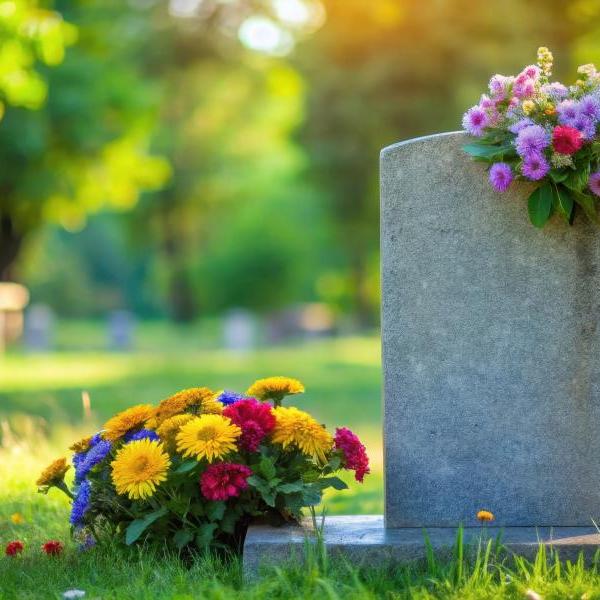
Just like biodegradable coffins, ecological cemeteries play an essential role in sustainable burials. These cemeteries use practices such as reducing the use of concrete, creating natural gardens and respecting biodiversity. In addition, some of them use alternative methods for the treatment of human remains, ensuring natural decomposition without polluting residues.
In many countries, including Spain, there are options for ecological burials in cemeteries that encourage these environmentally friendly practices. Therefore, if you would like a final resting place in harmony with nature, it is advisable to research and choose a nearby ecological cemetery.
Benefits of choosing ecological burials
Choosing an ecological burial not only benefits the environment, but can also be a more economical and deeply meaningful option for those seeking a funeral in line with their values. Some of the benefits include:
- Reduction of environmental impact: ecological burials help reduce the carbon footprint and promote more sustainable practices in the funeral sector.
- Support for biodiversity: ecological cemeteries contribute to the conservation of local flora and fauna, promoting natural balance.
- Greater environmental awareness: opting for an ecological burial is a way of spreading the importance of sustainability and respect for the planet.
- Connection with nature: ecological cemeteries offer a peaceful, natural setting, which can be comforting both for the deceased and for their loved ones.
Frequently asked questions about ecological burials
Are ecological burials cheaper than conventional ones?
In general, ecological burials can be more affordable than conventional ones, especially if you choose a biodegradable coffin, which is often cheaper than traditional coffins made from treated wood.
In addition, the use of local, seasonal flowers can also help reduce funeral costs.
However, prices vary depending on the region and the specific services contracted, so it is advisable to make a detailed comparison.
Where can ecological burials be organised in Spain?
In Spain, many cemeteries offer options for ecological burials, including the use of biodegradable coffins and more environmentally friendly practices.
Some cemeteries, particularly rural ones, have adopted ecological practices as part of their services, allowing people to choose a final resting place in harmony with nature.
Is there any law that forbids ecological burials in Spain?
No, there is no legislation in Spain that prohibits ecological burials.
In fact, several cemeteries throughout the country are introducing ecological alternatives as part of their service offering.
However, it is important to ensure that the chosen cemetery complies with local regulations and permits environmentally friendly practices.